

How To Pair Kitchen and Dining Lights Without Being Matchy
I know firsthand how tricky it can be to find the perfect balance when it comes to how to pair kitchen and dining lights.
This is especially important when you are trying not to be matchy-matchy in an open-concept layout.
But how can you blend kitchen and dining room lighting so they appear as cousins rather than twin sisters?
What size should the fixtures be and how high should they hang above the countertop and dining table?

Please note that this article contains affiliate links, meaning I may earn a commission if you buy something. Read my full disclosure here.
Don’t let the lack of know-how lead you to pick builder-grade design studio options – that’d be a tragedy!
By the end of this post, you’ll have a kitchen and dining room space that not only makes you proud but sparks joy.
Plus, I’ll provide you with tried-and-true shopping suggestions for chandelier and pendant combinations that I’ve seen work beautifully together.
This post is all about how to pair kitchen and dining lights!
Do kitchen and dining lights need to match?
Kitchen and dining lights don’t need to match exactly, but they should complement each other in style, finish, and color to create a harmonious and visually appealing connection between the two spaces.

For all the glam lovers out there, striking the right balance is key.
When you have a dazzling crystal chandelier reigning supreme in your kitchen, it’s essential to let it shine without competition.
Pair it with understated elements, like the glass pendants in this example, and combine glam with natural materials for a fabulous, cohesive look that’s never overwhelming.
Establish a common theme
One of the key aspects of pairing kitchen and dining lights is to establish a common theme that works well for both spaces.
A design theme serves as a unifying concept in interior design, guiding the selection of colors, patterns, materials, furniture, and accessories to create a cohesive and harmonious look.
The benefits of choosing a theme
Nailing that cohesive look in an open-concept layout creates a lovely visual harmony between the spaces, all while keeping things complementary without being too matchy-matchy. And hey, it makes shopping decisions a breeze by giving you a clear direction to follow!
Kitchen dining lighting theme ideas
Themes can be based on styles, color schemes, cultures, eras, or concepts, and contribute to a well-coordinated and polished home aesthetic.

Color theme:
- Monochromatic: Using various shades of a single color, like different shades of blue, to create a unified and harmonious look.
2. Complementary: Pairing colors that are opposite each other on the color wheel, such as blue and orange, to create a dynamic and visually stimulating space.

Materials theme:
- Wood and Metal: Combining the warmth of wooden elements with the industrial feel of metal accents for a balanced and inviting atmosphere.
2. Glass and Stone: Incorporating glass elements for a sleek, modern appearance alongside the natural and timeless appeal of stone.

This model home kitchen showcases the art of mixing materials to create a cohesive theme.
An untamed rattan chandelier sets the stage for an organic coastal-inspired space, exuding an unmistakable California vibe.
Simple seeded glass pendant lights play an important supportive role, effortlessly complementing the laid-back, beachy atmosphere.
Together, these lighting elements create a harmonious and inviting ambiance that captures the essence of casual coastal living.

Furniture theme:
- Classic Coastal: Featuring crisp whites, blues, and natural textures inspired by the sea, sand, and sky.
- Rustic Farmhouse: Incorporating distressed wood, vintage accessories, and a cozy, warm atmosphere.
- Modern Farmhouse: Combining clean lines and contemporary elements with traditional farmhouse features like shiplap and warm wood tones.
- Modern: Characterized by streamlined forms, minimal ornamentation, and a focus on function and simplicity in design.

A farmhouse home follows the baseline guidelines of the modern farmhouse style. Sleek leather furniture paired with warm wood dining room table and wood floors. Minimal accessories keep the space free of clutter and embellishments.

Culture theme:
- Moroccan: Showcasing intricate patterns, bold colors, and rich textures inspired by North African culture and design.
- Japanese Zen: Emphasizing simplicity, clean lines, and natural materials in a minimalist and serene setting.

Era theme:
- Art Deco: Featuring geometric patterns, bold colors, and luxurious materials inspired by the 1920s and 1930s.
2. Retro: Incorporating playful colors, patterns, and accessories from the 1950s, 1960s, or 1970s for a nostalgic and vibrant atmosphere.
3. Mid-Century Modern: Showcasing clean lines, organic shapes, and functional design elements that draw inspiration from the mid-20th century.

This Moroccan-themed kitchen is brimming with Moorish architectural influences, creating an absolutely stunning space.
The hammered mixed metals in each pendant add texture and dimension, lending a truly unique touch.
Take note of the drum shade adorned with metal chain accents; this kitchen is filled to the brim with visual interest.
It’s a fantastic example of how embracing a cultural theme can result in a truly memorable and personalized space.
Coordinate finishes and materials
Ready to make your kitchen and dining room shine together? Coordinating finishes and materials is key when pairing their lights!
By using similar finishes and materials in both spaces, you’ll create a delightful connection without making them look too identical.
There’s a world of lovely finishes and materials to choose from, like brass, matte black, brushed nickel, chrome, and bronze.

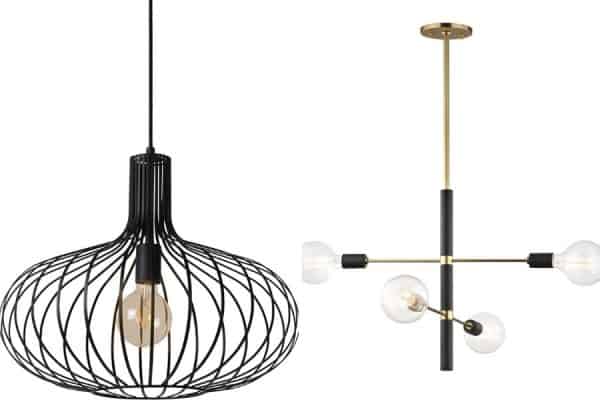
Affordable metal basket pendants lighting fixtures can be found at The Home Depot
These options can blend seamlessly with various design themes, making it a breeze to find lighting that complements both your kitchen and dining room. And guess what? You can even mix up two different metals in the same space for a stunning effect.
Brass and Matte Black
combine the warmth and elegance of brass with the bold and modern look of matte black to create a visually striking contrast in both spaces. For instance, you could use brass pendant lights in the kitchen and a matte black chandelier in the dining room.


Chrome and Gold
Combine the sleek look of chrome with the luxurious and opulent appeal of gold for a stunning mix of finishes.
You could opt for chrome pendant lights in the kitchen and a gold chandelier in the dining room.
This creates a visually interesting contrast that adds a touch of glamour to both spaces
Play with size and scale
Pairing kitchen and dining lights is a delightful opportunity to get creative with size and scale!
By mixing up the dimensions of your lighting fixtures, you can create an eye-catching effect that makes each room feel balanced.
Try small or mini pendants in the kitchen, while opting for a statement chandelier or large pendant in the dining.
This approach not only adds a bold design touch but also ensures a harmonious balance between the rooms.
Explore different sizes and scales to discover the ideal lighting combo for your kitchen and dining areas!

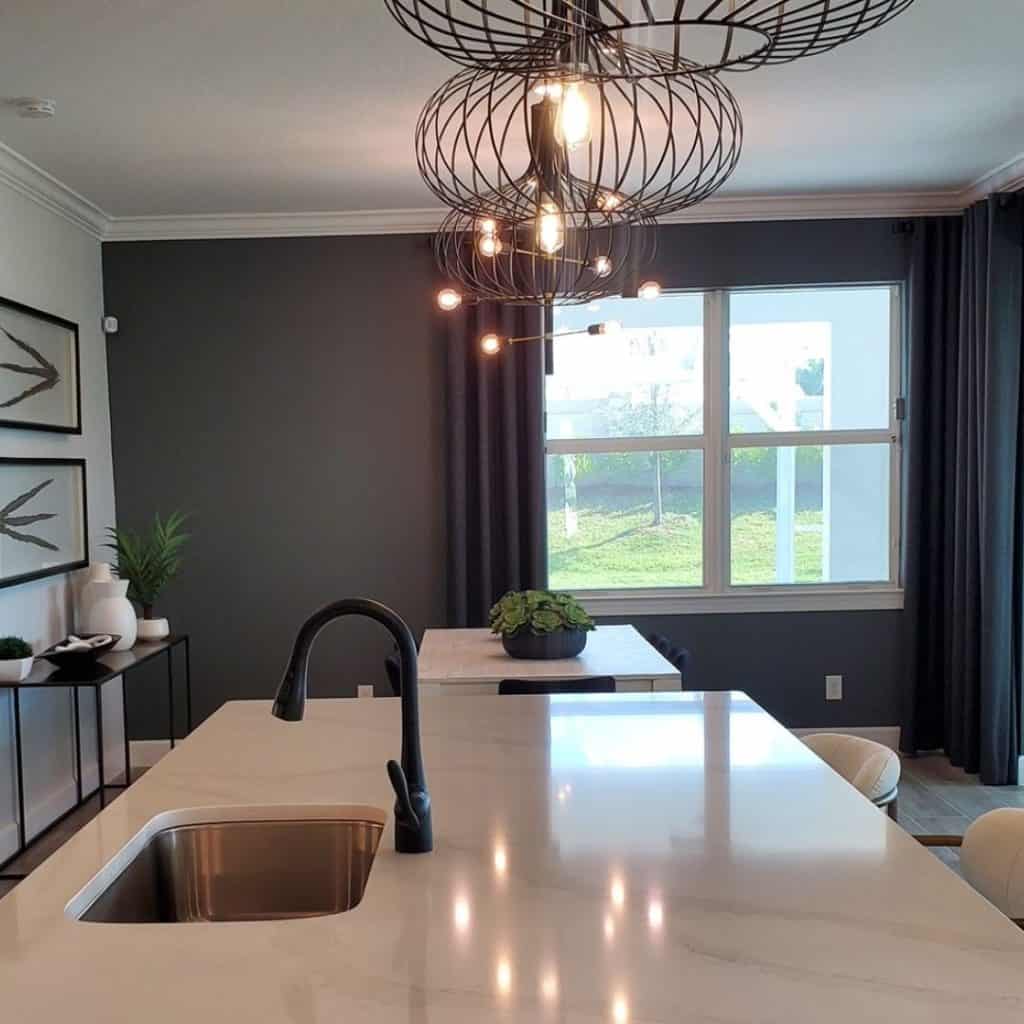
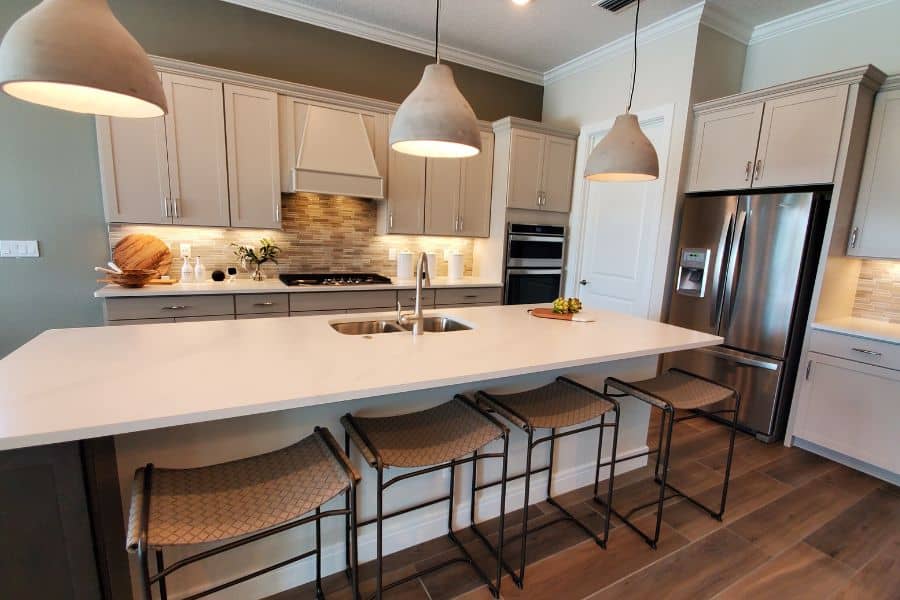
The talented interior designer paired these with a textured drum shade over the breakfast room table, where the nickel finish serves as the only common denominator. This combination effortlessly showcases how varying sizes and shapes can work together, all while maintaining a cohesive look through the shared finish.

Geometric Shapes
Opt for a small, geometric-shaped pendant light in the kitchen, such as a cube or hexagon, and a larger geometric chandelier in the dining area. This creates a cohesive visual connection through the use of similar shapes while playing with size and scale.

In this stylish kitchen, the dining room and kitchen island lighting are brilliantly united through their shared mid-century modern design style and striking black-and-white color scheme.

Despite these common elements, the fixtures themselves are uniquely different, showcasing how embracing individuality within a shared theme can create a visually captivating and harmonious space.

Glass globe fixtures
Choose a single, small glass globe pendant for the kitchen island and a larger, multi-globe chandelier for the dining room.
Both fixtures share the same visual element of glass globes, yet the difference in size and the number of globes create a dynamic effect.
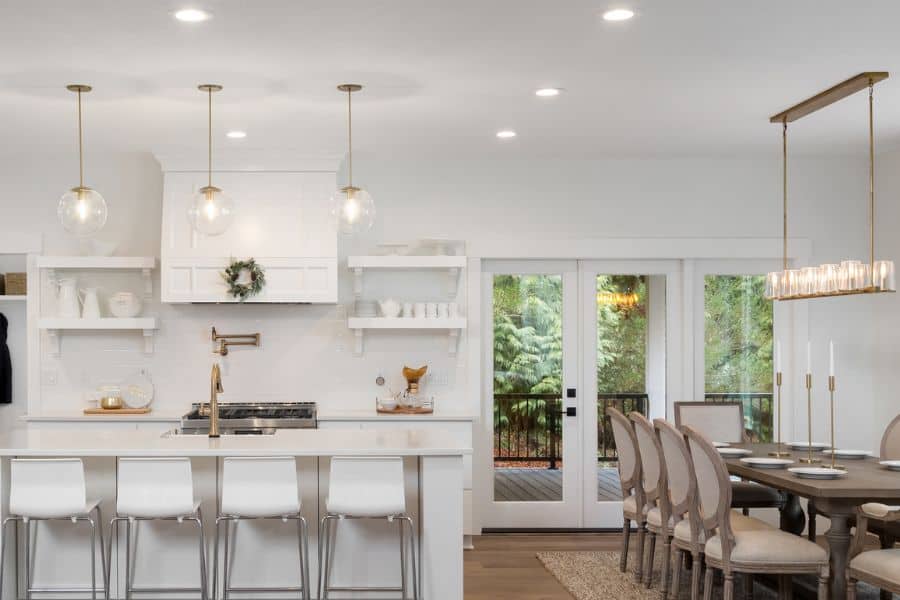
In this charming farmhouse kitchen, glass and globe elements make the light fixtures feel like distant cousins rather than identical sisters.
Simple glass globes hang over the kitchen island, perfectly complementing the kitchen faucet and pot filler.
Meanwhile, the multi-bulb rectangular chandelier takes center stage over the kitchen table.
This delightful combination showcases how using related design elements can create a cohesive yet distinctive look in both spaces.

Consider Complementary Shapes
A great idea on how to pair kitchen and dining lights in a breeze is to pair similar but not identical shapes!
By choosing complementary shapes, you’ll create a subtle connection between the two spaces, adding visual harmony while keeping their unique personalities.
Selecting fixtures with shared geometric forms, like circular, rectangular, or angular designs, makes the process easy and fun.
Linear and curved
Pair a linear, rectangular pendant light in the kitchen with a round or oval chandelier in the dining room. The contrast between straight lines and curves creates a visually interesting and harmonious look.

The impact of statement lighting in a space cannot be overstated.
This transitional-designed yet modern kitchen and dining room are instantly transformed by the exquisite round chandelier over the dining room table, masterfully crafted from steel and glass.
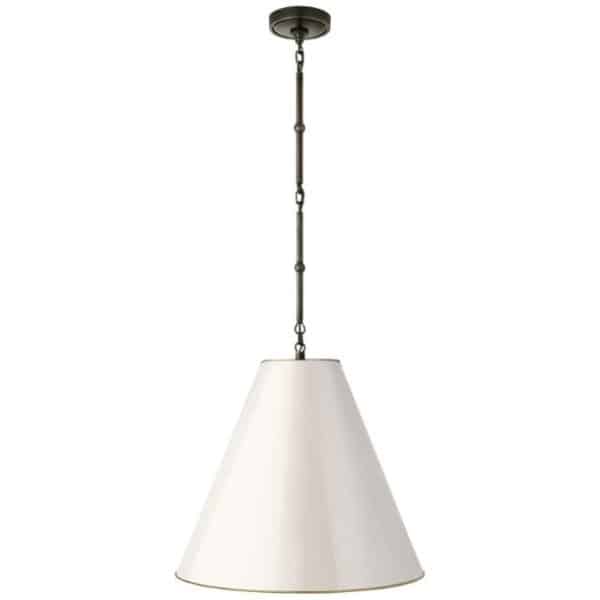
A delicate natural paper cone-shaped pendant illuminates the kitchen island, brilliantly contrasting yet complementing shapes. Thoughtfully chosen fixtures enhance the design and create a harmonious atmosphere.
Geometric Harmony
How about choosing a fun triangular or hexagonal pendant light for your kitchen, and pairing it with a cool octagonal chandelier in the dining room? The shared geometric theme brings the spaces together while letting each shape shine!
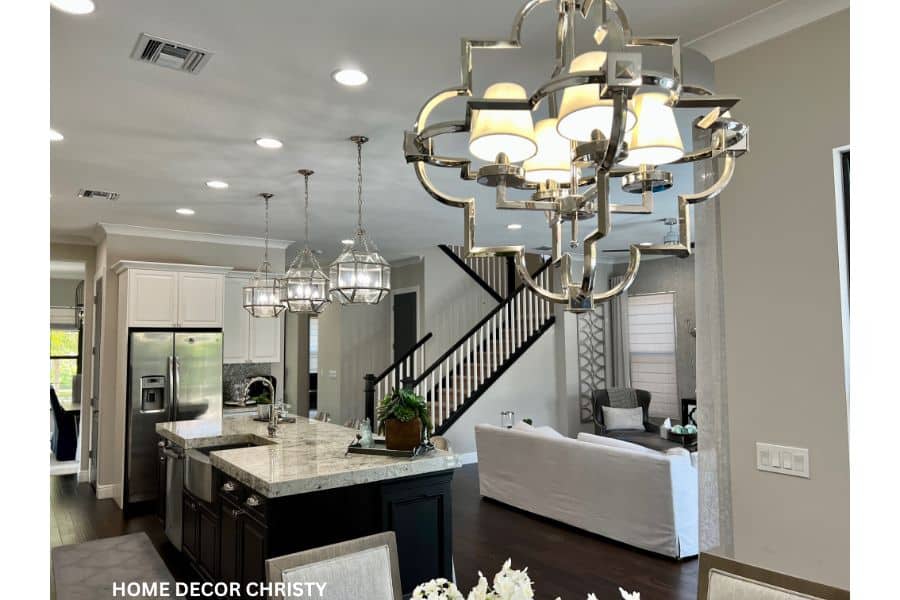
Polished nickel and geometric playfulness tie the knot in the cozy quarters of this transitional kitchen and dining space.
A hexagonal glass lantern pendant in the kitchen allows for 360-degree illumination.
The shaded dining fixture provides a more ambient lighting experience for dining.
Achieve a cohesive look using shared materials and design elements, catering to lighting needs in open-concept layouts.

Unify kitchen and dining lights with color
Unleash your inner artist—color unifies your kitchen and dining room lighting!
Color creates harmony and cohesion, making your home feel like a curated masterpiece. Incorporate a color from the kitchen to the dining room or vice versa to tie the rooms together.
Whether bold or calming, colors will have your spaces dancing in harmony.

Marching to the beat of gold and ingenuity, this kitchen masterfully combines modern and industrial styles.
A gold island chandelier featuring Edison-style light bulbs illuminates the space, while the innovative pulley-style single pendant chandelier captivates the eye over the dining room.
This clever role reversal of chandelier and pendant lighting is a shining example of how creative thinking can lead to a brilliantly engineered and harmonious design.

Layer lighting
Ready to unlock the next secret on how to pair kitchen and dining lights?
Layering your lighting is the answer! By blending ambient, task, and accent lighting, you’ll strike the ideal balance between the style and functionality of the room.
I took a deep dive into lighting styles and lighting ideas for kitchens with low ceilings in my previous post. Check it out if you need more context.
So, let’s take a look at the kitchen lighting example below, and review all the clever ways ambient, task, and accent lighting was layered in.

This kitchen is fortunate enough to have ample natural light, the sun-drenched space likely doesn’t need much supplemental lighting during the day.
The first layer of lighting is the ambient lighting in this case the recessed ceiling lights used thought-out the kitchen space.
The second layer of lighting added was the kitchen island pendants with their downlight directions this is great task lighting. Notice another pendant hanging over the kitchen sink.
The third layer of lighting added is the wall sconces. Wall lights is a great way to incorporate accent lighting and decorative lighting into the space.
The fourth layer of lighting is the delicate kitchen countertop table lamps, what a beautiful way to illuminate the cookbook and add another light source.
Rule of thumb for hanging kitchen lighting
A. Hang pendant lamps 30-34″ above countertops or 72″ above the finished floor
B. Kitchen island lights should be at least 15″H and 8″ to 20″ in diameter
C. Pendant should be 6″ from the edge of the island
Rule of thumb for hanging dining room lighting
A. Take the dimensions of the room and multiply them. This will give you the minimum diameter needed for the fixture. For example, a dining room with dimensions of 10×14 equals 24, so you’ll need a chandelier with at least a 24″ diameter.
B. Assuming a 9ft ceiling height, the dining room light fixture should hang 33-37 inches above the table, add an additional 3″ for every added foot of ceiling height
Final thoughts and encouragement
In wrapping up, figuring out how to pair kitchen and dining lights can be a lot of fun.
Lighting truly defines the design and it’s a fantastic way to add some flair to the heart of the home.
Just remember to focus on finding a common theme, coordinating those finishes and materials, playing around with size and scale, and picking complementary shapes. Don’t forget to layer your lighting, too!
The key is striking a balance between harmony, individuality, and personal preference. So, go on and let your creativity run wild, and make that dream kitchen and dining space come alive!
And hey, leave a comment below to share your thoughts and experiences on how you paired kitchen and dining lights. We can all learn from each other!


